When Is Anxiety More Than Stress? Signs You May Need Therapy in Washington DC
Stress vs Anxiety: What Is the Difference?
Stress and anxiety are closely related, but they are not the same.
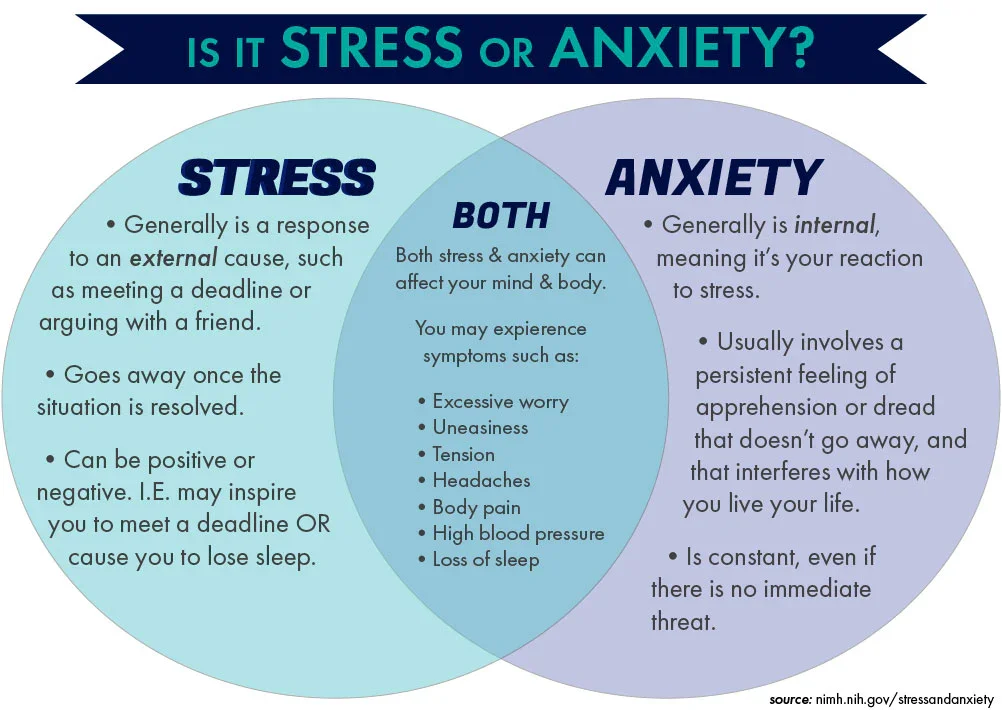
Stress is usually tied to a specific situation. It tends to have a clear cause, such as a work deadline, an argument, or a big decision. Once that situation passes, stress typically decreases.
Anxiety, on the other hand, often continues even when there is no immediate threat. It can feel constant, overwhelming, and difficult to control. Instead of responding to one situation, anxiety begins to shape how you experience everyday life.
Quick Comparison
Stress:
Linked to a specific situation
Temporary
Improves once the situation resolves
Can sometimes feel motivating
Anxiety:
Often persists without a clear cause
Ongoing and difficult to control
Interferes with daily life
Can feel overwhelming or paralyzing
If your stress does not go away or seems to be getting worse, it may actually be anxiety.
Why Anxiety Can Be Hard to Recognize
Many people normalize their anxiety, especially in environments like Washington DC where high achievement and constant productivity are expected.
You might tell yourself:
“This is just how life is”
“Everyone feels this way”
“I just need to push through”
Over time, this mindset can make it difficult to recognize that what you are experiencing is not just stress, but something that deserves attention and support.
Common Signs Anxiety Is More Than Stress
1. Your Worry Feels Constant
You may find that your mind is always racing. Even when one concern is resolved, another quickly takes its place. This constant loop of worry can feel exhausting and hard to turn off.
2. You Feel Physically On Edge
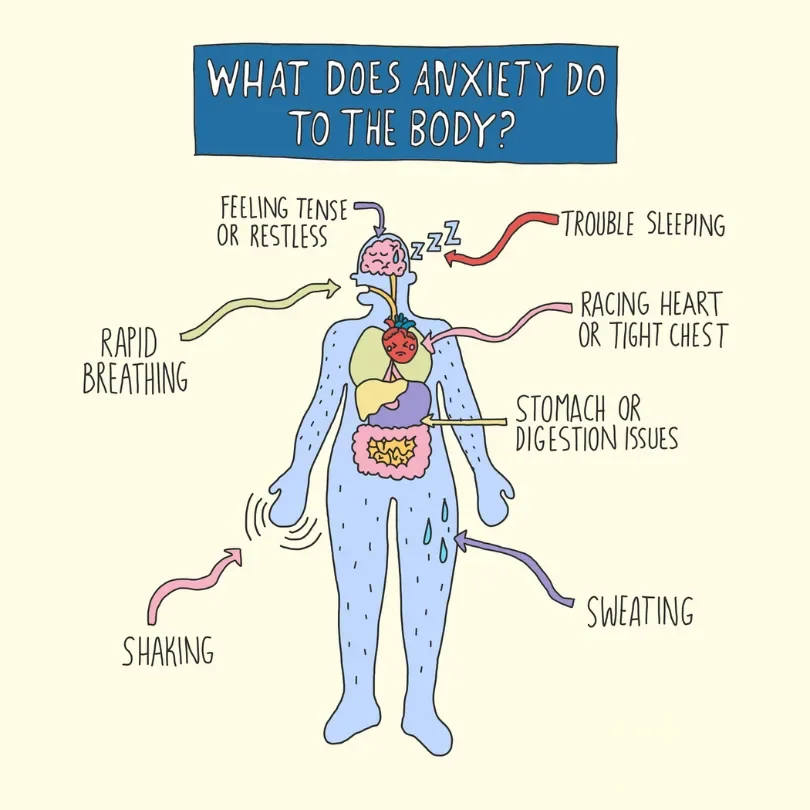
Anxiety is not just mental. It often shows up in the body.
Common physical symptoms include:
Muscle tension
Rapid heartbeat
Trouble sleeping
Fatigue
Headaches or stomach issues
If your body rarely feels relaxed, it may be a sign that anxiety is present.
3. You Struggle to Relax, Even When Things Are Calm
You may finally have free time, but instead of feeling at ease, your mind stays busy. Many people with anxiety feel like they cannot switch off, even when nothing is wrong.
4. You Avoid Certain Situations
Anxiety often leads to avoidance. While avoiding situations may feel helpful in the moment, it usually makes anxiety stronger over time and limits your daily life.
5. Your Thoughts Feel Overwhelming or Intrusive

Anxiety can cause repetitive, intrusive thoughts that are hard to control. Even when you know they may not be realistic, they can still feel very real and difficult to ignore.
6. It Is Affecting Your Relationships
You might notice increased irritability, difficulty being present, or overthinking conversations. Anxiety can create distance even when you care deeply about others.
7. It Is Interfering With Your Daily Life
When anxiety starts affecting your work, energy, or ability to complete everyday tasks, it is often a sign that it has gone beyond normal stress.
When to Seek Help
You may benefit from anxiety therapy in Washington DC if:
Your worry feels constant or uncontrollable
You struggle to relax, even during downtime
Physical symptoms are frequent
You are avoiding situations or responsibilities
Anxiety is affecting your relationships
Daily functioning feels harder than it should
Why Anxiety Is So Common in Washington DC
Living in Washington DC comes with unique pressures. Many residents face high-demand careers, competitive environments, and fast-paced lifestyles. Over time, this can turn normal stress into chronic anxiety.
How Therapy Can Help With Anxiety
Therapy provides a space where you can slow down, understand what you are experiencing, and learn how to respond differently.
In anxiety therapy, you can:
Understand your thought patterns
Learn practical coping tools
Reduce avoidance
Address deeper emotional patterns
Build long-term resilience
What to Expect From Anxiety Therapy
If you are considering therapy in Washington DC, the process typically includes:
A brief consultation
An initial session to explore your concerns
Ongoing sessions focused on progress
A collaborative, supportive approach
Final Thoughts
Stress is a natural part of life, but when it becomes constant, overwhelming, and difficult to manage, it may be anxiety.
Recognizing the difference is the first step toward feeling better. With the right support, it is possible to regain a sense of calm, clarity, and control.
If you are experiencing ongoing anxiety, seeking anxiety therapy in Washington DC can help you move forward with greater ease and confidence.