What Is EMDR Therapy and How Can It Help with Trauma?
Trauma can affect people in ways that are not always visible. Some individuals experience flashbacks or nightmares. Others may struggle with anxiety, emotional numbness, difficulty trusting others, or feeling constantly on edge. Even long after a distressing event has passed, the nervous system may continue reacting as though the threat is still present.
EMDR therapy is one approach that has helped many people process traumatic experiences and reduce their emotional intensity. If you have heard of EMDR but are unsure what it involves or whether it might help you, understanding how it works can make the decision feel less overwhelming.
What Is EMDR Therapy?
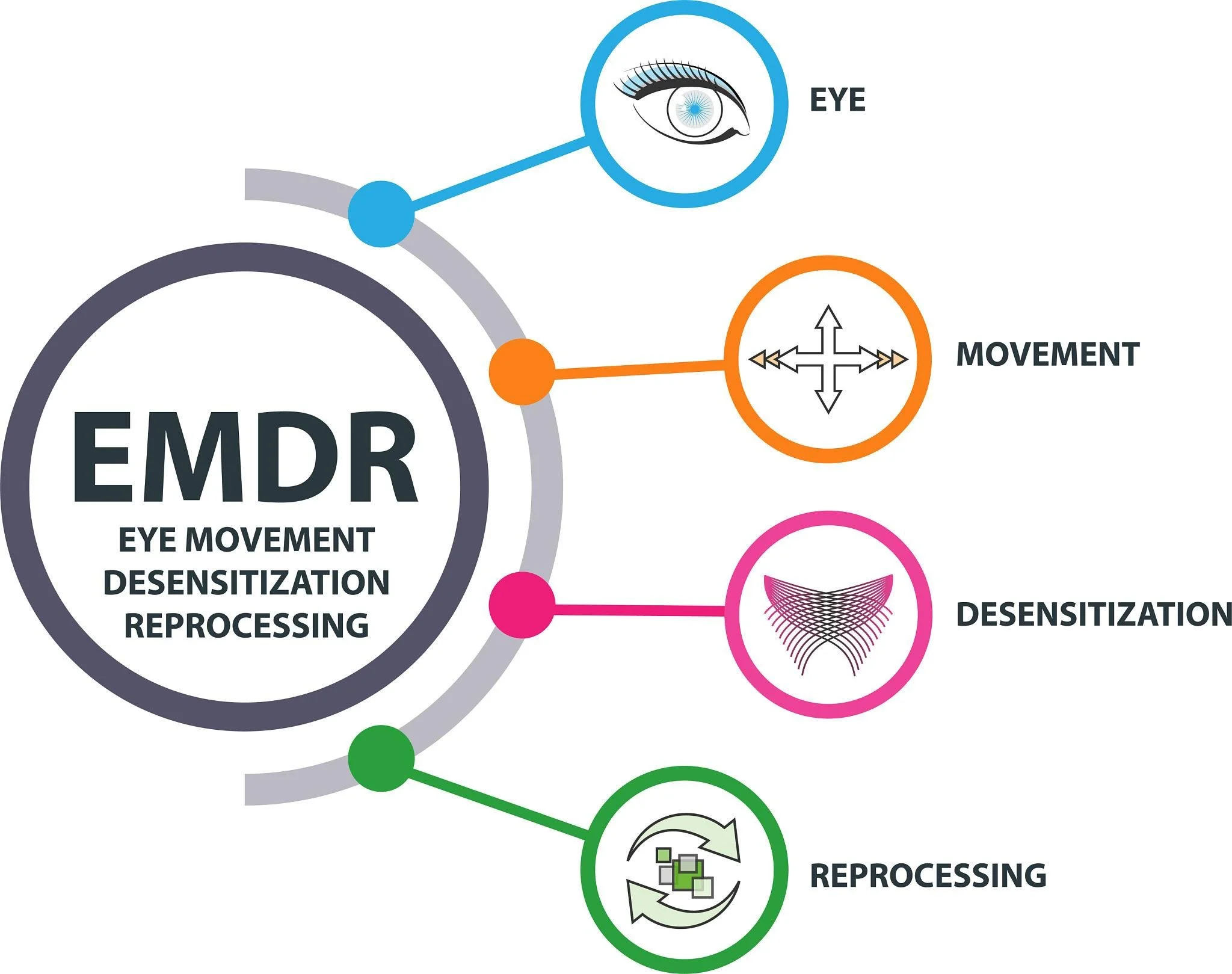
EMDR stands for Eye Movement Desensitization and Reprocessing. It is a structured, evidence-based psychotherapy approach developed to help individuals process traumatic memories and reduce their emotional impact.
Unlike traditional talk therapy, EMDR does not require clients to describe traumatic events in extensive detail. Instead, it focuses on helping the brain reprocess distressing memories so they become less emotionally charged and more integrated into your overall life story.
EMDR is recognized by organizations such as the American Psychological Association and the World Health Organization as an effective treatment for trauma and post-traumatic stress disorder.
How Trauma Affects the Brain
To understand how EMDR works, it helps to know what trauma does to the brain.
When a person experiences something overwhelming or frightening, the brain may not fully process the memory in a typical way. Instead of being stored as a past event, the memory can remain “frozen” in the nervous system. When triggered, it may feel as if the event is happening again in the present.
This can lead to symptoms such as:
Intrusive thoughts or flashbacks
Nightmares
Heightened anxiety or hypervigilance
Avoidance of reminders
Emotional numbness
Sudden emotional reactions that feel disproportionate
EMDR helps the brain reprocess these stuck memories so they are no longer experienced as immediate threats.
How EMDR Therapy Works
EMDR therapy follows a structured eight-phase approach. While it is highly organized, sessions are adapted to the client’s pace and readiness.
A simplified overview of the process includes:
1. History and Preparation
The therapist gathers information about your history, identifies target memories, and helps you build coping skills to ensure emotional stability during the process.
2. Identifying Target Memories
You and your therapist identify specific memories, beliefs, or triggers that feel distressing. These become the focus of reprocessing.
3. Bilateral Stimulation
During reprocessing, the therapist uses bilateral stimulation, which often involves guided eye movements. Other forms can include tapping or auditory tones. While engaging in this stimulation, you briefly focus on the memory.
This process helps the brain activate its natural healing mechanisms. Over time, the emotional intensity of the memory decreases.
4. Installation of Positive Beliefs
As distress reduces, EMDR helps strengthen healthier beliefs, such as “I am safe now” or “It was not my fault.”
5. Body Scan and Closure
The therapist checks for lingering physical tension or distress and ensures that you leave the session feeling grounded and stable.
EMDR sessions are structured, but they remain collaborative. You are always in control of the pace.
What Does Bilateral Stimulation Do?
Researchers believe bilateral stimulation helps the brain process information in a way similar to what occurs during REM sleep, when the brain naturally processes emotional experiences.
The goal is not to erase memories. Instead, EMDR reduces the emotional charge so that the memory feels like something that happened in the past rather than something happening right now.
Many clients report that after EMDR, the memory feels more distant or neutral. They can think about it without being overwhelmed.
What Types of Trauma Can EMDR Help With?
EMDR is commonly associated with post-traumatic stress disorder, but it can help with a wide range of experiences.
It may be effective for:
Childhood trauma
Abuse or neglect
Sexual trauma
Car accidents or medical trauma
Military combat experiences
Sudden loss
Natural disasters
Relationship trauma
Chronic stress
It can also help with experiences that may not be labeled as “big trauma” but still feel emotionally significant.
EMDR for Anxiety and Negative Beliefs
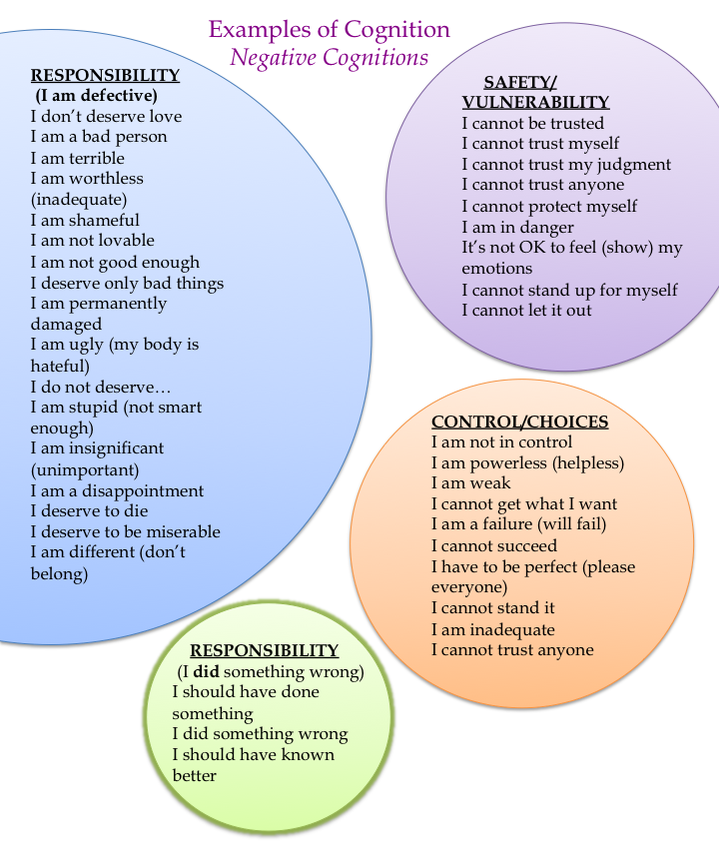
Trauma often shapes the beliefs we hold about ourselves. After a painful experience, someone might begin to believe:
“I am not safe.”
“I am not good enough.”
“I cannot trust anyone.”
“I should have done something differently.”
EMDR therapy works directly with these beliefs. As traumatic memories are reprocessed, negative beliefs often shift naturally into more balanced and realistic perspectives.
This shift can reduce anxiety, self-criticism, and emotional reactivity.
What EMDR Therapy Feels Like
One common misconception is that EMDR requires reliving trauma in detail. While the memory is activated briefly, the process is not about retelling the story repeatedly.
Clients often describe EMDR as:
Surprisingly less overwhelming than expected
Structured and guided
Focused and contained
Emotionally intense at times, but manageable
Gradually relieving
Each person’s experience is unique, and therapy moves at a pace that feels safe.
How Long Does EMDR Take?
The length of EMDR therapy varies depending on:
The number of traumatic experiences
The complexity of symptoms
Current life stressors
Emotional support systems
Some individuals notice improvement within a few sessions for a single event. Others with more complex trauma may benefit from longer-term treatment.
EMDR can be integrated into broader therapy rather than used as a standalone approach.
Is EMDR Therapy Safe?
When conducted by a trained professional, EMDR therapy is considered safe and effective. Preparation and stabilization are important parts of the process to ensure clients feel supported.
If someone is experiencing severe dissociation or acute crisis, a therapist may focus first on building coping skills before beginning reprocessing.
Who Is a Good Candidate for EMDR?
EMDR may be helpful if you:
Feel stuck in painful memories
Experience triggers that seem disproportionate
Have tried talk therapy but still feel unresolved trauma
Struggle with persistent negative beliefs about yourself
Want a structured approach to trauma healing
A consultation with a trained EMDR therapist can help determine if it is appropriate for your situation.
EMDR Therapy and Lasting Healing
One of the strengths of EMDR is that it aims to resolve the root of trauma rather than simply managing symptoms. As memories are reprocessed, clients often experience:
Reduced emotional reactivity
Improved sleep
Increased self-confidence
Greater sense of safety
Improved relationships
Decreased anxiety
Healing from trauma does not mean forgetting what happened. It means the memory no longer controls your present life.
Taking the First Step
Seeking trauma therapy can feel intimidating, especially if you have avoided thinking about certain experiences for a long time. EMDR offers a structured, research-supported approach that does not require endless retelling of painful events.
With the support of a trained therapist, many people discover that healing is possible even after years of distress. The brain has a natural capacity to heal when given the right conditions.
If you are considering EMDR therapy, reaching out for a consultation can be the first step toward relief and renewed stability.