Sex Therapy in Washington DC: Overcoming Barriers to Intimacy
Intimacy is an important part of many relationships, yet it is also one of the most common areas where people feel confusion, frustration, or distance. Concerns around sex and intimacy can feel deeply personal, making them difficult to talk about even with a partner. For individuals and couples in Washington DC, the pressures of daily life, stress, and past experiences can quietly create barriers that impact emotional and physical connection.
Sex therapy offers a supportive and professional space to explore these concerns, understand what may be getting in the way of intimacy, and develop healthier patterns of connection.
Understanding What Sex Therapy Is
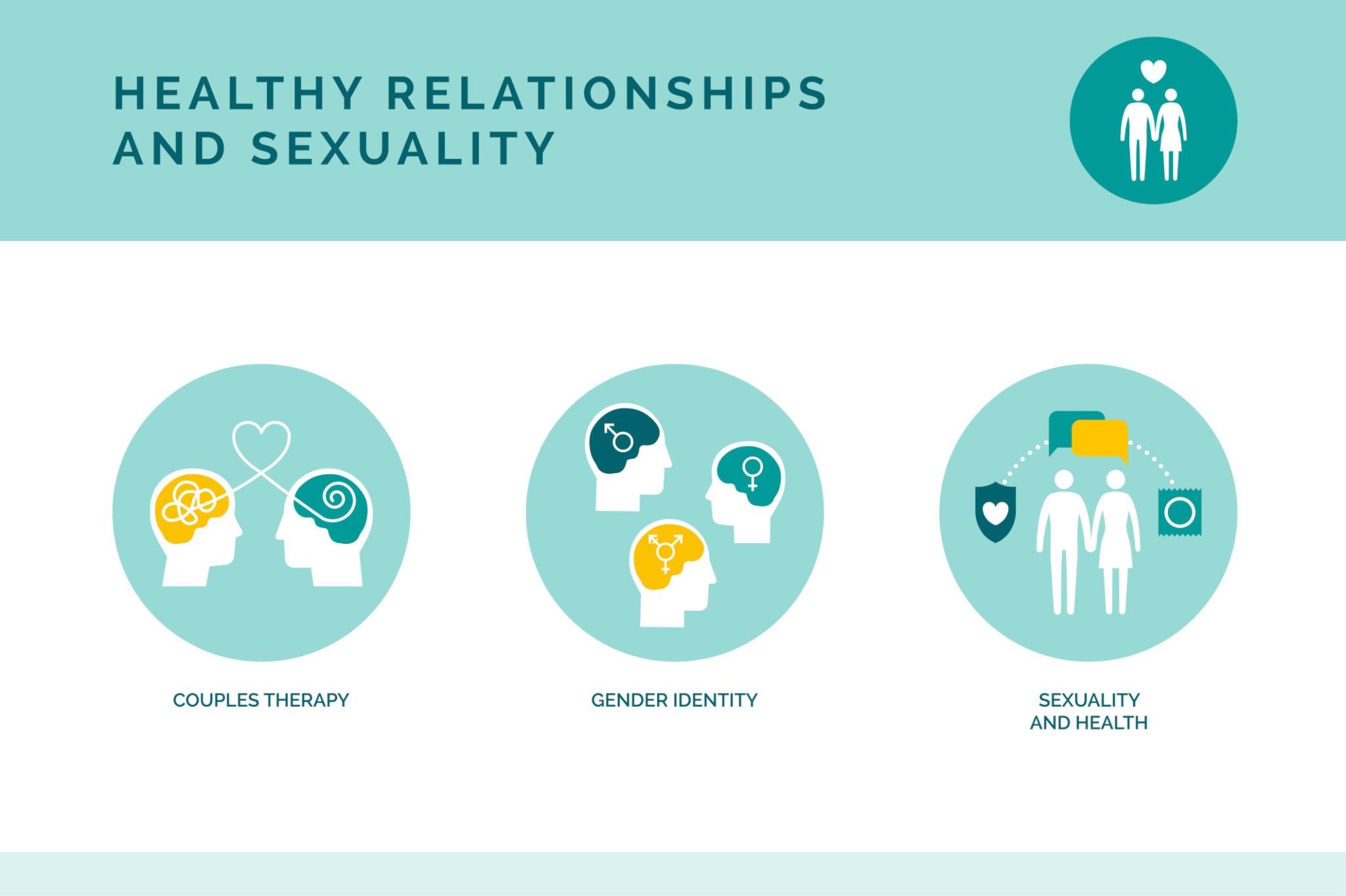
Sex therapy is a specialized form of counseling that focuses on concerns related to intimacy, sexual functioning, desire, and connection. It is grounded in evidence-based therapeutic approaches and is talk-based rather than physical. Sessions focus on emotional, relational, and psychological factors that influence intimacy.
Sex therapy can be helpful for individuals as well as couples. It creates a respectful and confidential environment where clients can talk openly without fear of judgment. The goal is not to prescribe a single definition of intimacy, but to help each person or couple clarify what intimacy means to them.
Common Barriers to Intimacy
Barriers to intimacy often develop gradually and may not be immediately obvious. Many people assume that difficulties with sex mean something is wrong with them or their relationship, but in reality, intimacy challenges are very common and often connected to deeper factors.
Some common barriers include:
Communication difficulties around needs, boundaries, or desires
Stress related to work, parenting, or daily responsibilities
Anxiety, depression, or other mental health concerns
Past trauma or negative sexual experiences
Mismatched desire levels between partners
Physical changes, health conditions, or medication side effects
Religious, cultural, or family messages about sex
Sex therapy helps identify which of these factors may be present and how they interact.
How Sex Therapy Helps Individuals and Couples
Sex therapy supports people in developing a clearer understanding of themselves and their relationships. Rather than focusing only on symptoms, therapy looks at patterns, emotions, and beliefs that influence intimacy.
In sex therapy, clients often work on:
Improving communication about intimacy
Exploring emotional safety and trust
Understanding how stress and mental health affect desire
Rebuilding connection after conflict or life transitions
Developing comfort with vulnerability
Addressing shame or guilt related to sex
For couples, therapy can help shift the focus from blame to collaboration. For individuals, it can support self-awareness and confidence.
Sex Therapy and Emotional Connection
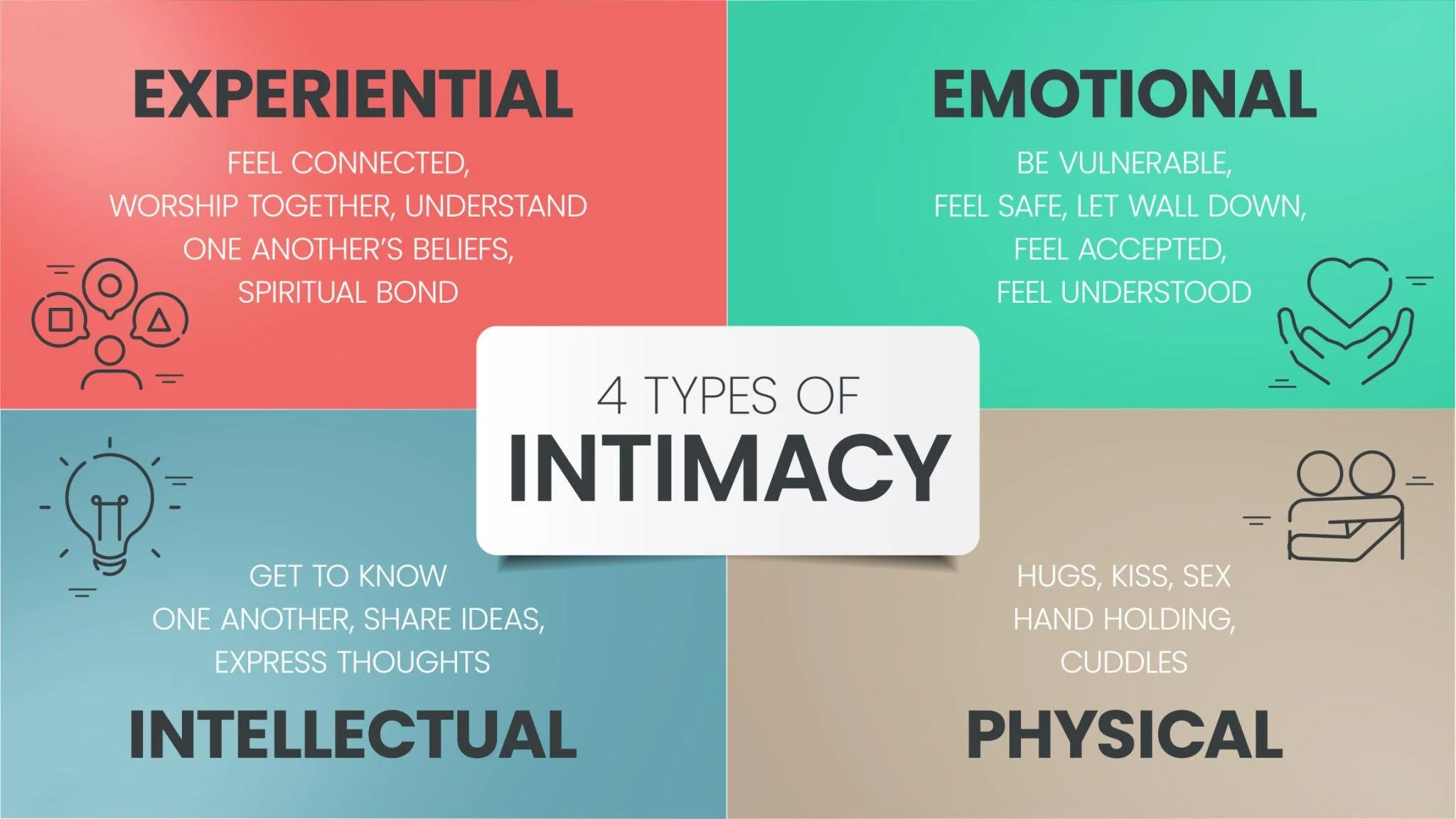
Intimacy is not only physical. Emotional closeness plays a major role in how connected people feel in their relationships. When emotional needs are unmet, physical intimacy often becomes strained.
Sex therapy often explores questions such as:
Do both partners feel emotionally heard and understood?
Are there unresolved conflicts affecting closeness?
Is there fear of rejection or judgment?
By strengthening emotional connection, many couples notice improvements in physical intimacy as well.
Addressing Anxiety and Performance Concerns
Anxiety is one of the most common factors that interferes with intimacy. Performance pressure, fear of disappointment, or worry about one’s body can make it difficult to be present during intimate moments.
Sex therapy helps clients:
Understand how anxiety affects the body
Reduce pressure and unrealistic expectations
Develop mindfulness and grounding techniques
Build confidence and self-compassion
As anxiety decreases, intimacy often feels more natural and enjoyable.
Healing After Trauma or Painful Experiences
For some individuals, intimacy difficulties are connected to past trauma, including sexual trauma or emotionally harmful relationships. These experiences can affect trust, safety, and bodily awareness.
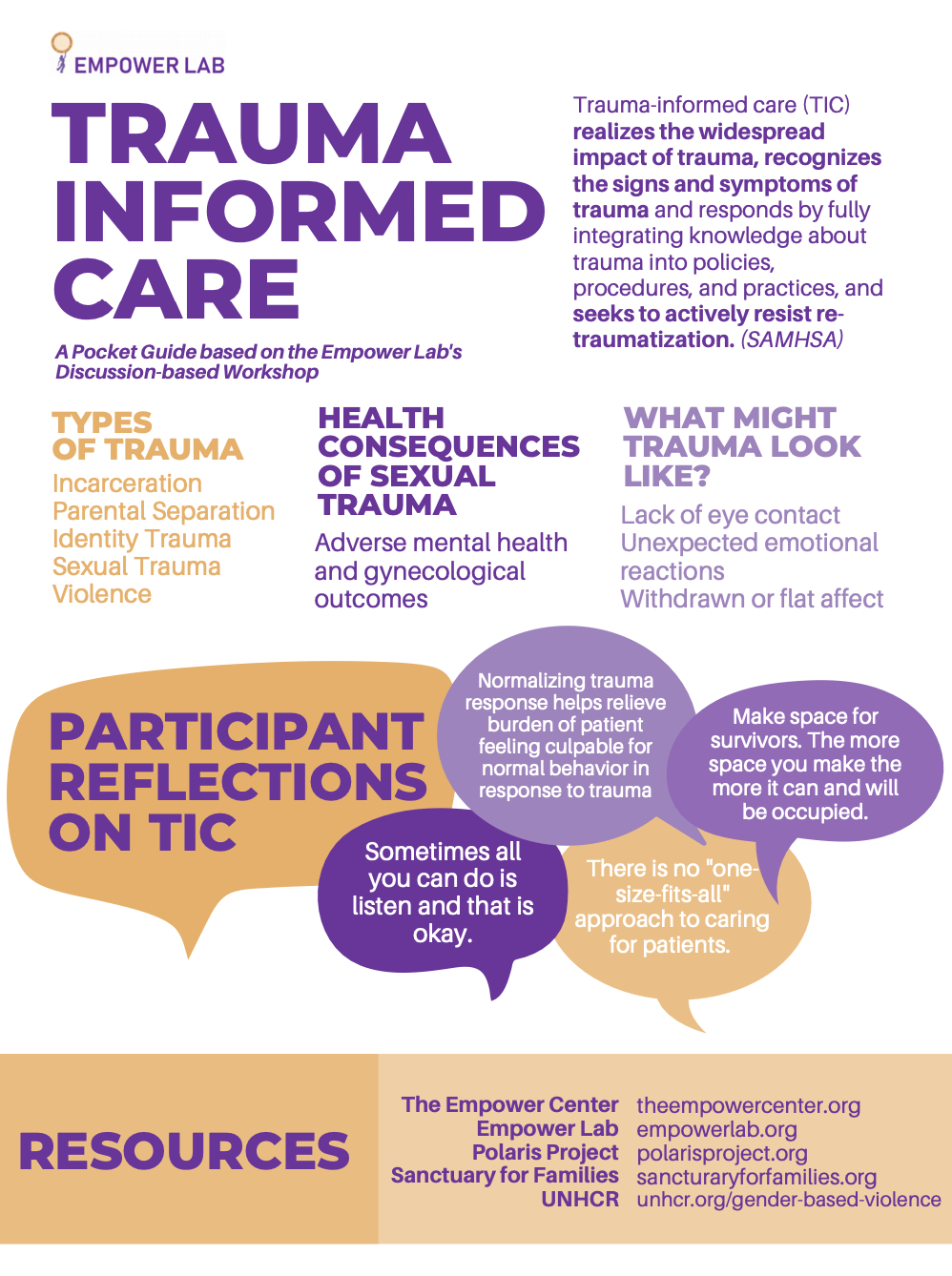
Sex therapy is trauma-informed and moves at a pace that feels safe. Therapy focuses on:
Restoring a sense of control and choice
Rebuilding trust with oneself and others
Reducing shame and self-blame
Developing healthy boundaries
Healing does not require reliving traumatic experiences. Instead, therapy emphasizes safety, support, and empowerment.
Sex Therapy in Long-Term Relationships
Intimacy often changes over time. Life transitions such as parenting, career changes, health issues, or aging can shift how couples relate to one another.
Sex therapy helps couples:
Normalize changes in desire
Adapt to new phases of life
Reconnect after periods of distance
Explore new ways of being intimate
Rather than trying to return to how things used to be, therapy supports couples in creating a version of intimacy that fits their current lives.
Individual Sex Therapy
Sex therapy is not only for couples. Individuals may seek therapy to better understand their own relationship with intimacy, desire, and identity.
Individual sex therapy can help with:
Understanding personal values around sex
Addressing shame or guilt
Building confidence and self-acceptance
Navigating dating and relationships
Exploring intimacy after loss or transition
Therapy provides a private space to explore these topics thoughtfully and respectfully.
What to Expect in Sex Therapy Sessions
Sex therapy sessions are conversational and collaborative. A therapist may ask questions to better understand your concerns, history, and goals. Together, you will identify areas to focus on and move at a pace that feels comfortable.
Sessions may include:
Education about intimacy and relationships
Communication exercises
Exploration of emotional patterns
Reflection on beliefs and expectations
Practical strategies for connection
There is no expectation to share more than you are ready to discuss.
Sex Therapy in Washington, DC
Living in a fast-paced city like Washington DC can add unique stressors to relationships. Demanding careers, long commutes, and limited downtime often affect connection and intimacy.
Sex therapy offers a supportive space to slow down and focus on what matters most in your relationship or personal growth. Many practices in Washington DC offer both in-person and telehealth options, making therapy accessible and flexible.
Taking the First Step Toward Greater Intimacy
Reaching out for sex therapy can feel vulnerable, but it is also a meaningful step toward growth and connection. Seeking support does not mean something is broken. It means you value your emotional and relational well-being.
With guidance and support, many people discover that intimacy challenges can become opportunities for deeper understanding, healing, and connection.