Life Transitions and Feeling Stuck: How Therapy Can Help You Move Forward
Life rarely moves in a straight line. Even positive changes can feel destabilizing. A new job, relocation, marriage, parenthood, graduation, or retirement can bring excitement, but also uncertainty. At other times, transitions arrive unexpectedly through loss, illness, relationship changes, or career setbacks. During these periods, it is common to feel stuck, confused, or unsure of the next step.
Feeling stuck does not mean you are failing. It often means you are in the middle of change. Therapy can provide clarity, direction, and emotional support during these transitional seasons.
Why Life Transitions Feel So Overwhelming
Transitions disrupt familiarity. Even when change is welcome, it often involves letting go of something known. That loss of predictability can trigger anxiety and self-doubt.
Common emotional responses during life transitions include:
Increased stress or irritability
Difficulty making decisions
Questioning identity or purpose
Feeling behind compared to others
Low motivation
Emotional numbness
Overthinking future outcomes
The brain is wired for stability. When routines, roles, or relationships shift, it takes time for the nervous system to recalibrate.
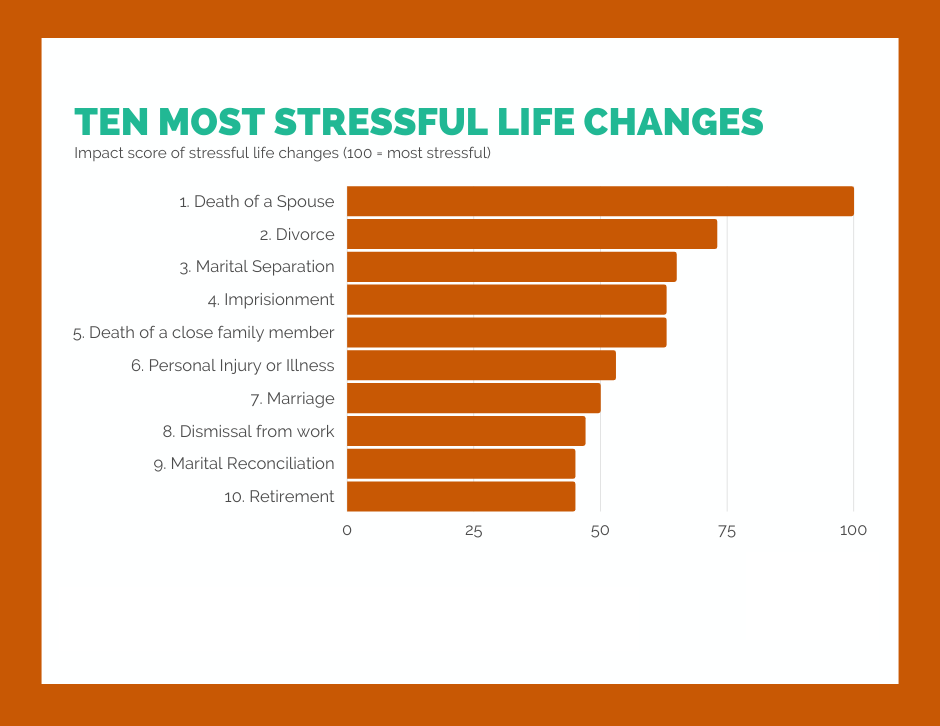
Types of Life Transitions That Can Leave You Feeling Stuck
Transitions come in many forms. Some are expected. Others are sudden.
Career Changes
Starting a new job, switching industries, losing employment, or feeling unfulfilled in your current role can create internal conflict. You may wonder whether to stay where you are or take a risk.
Relationship Shifts
Beginning a new relationship, ending one, navigating marriage challenges, or becoming a parent can reshape how you see yourself and your future.
Relocation
Moving to a new city often involves rebuilding community, adjusting to unfamiliar environments, and redefining daily routines.
Milestone Changes
Graduation, retirement, children leaving home, or entering a new decade of life can bring unexpected identity questions.
Loss and Grief
The death of a loved one, the end of a relationship, or even the loss of a long-held dream can deeply impact your sense of direction.
Transitions often stir up old beliefs and unresolved emotions. Therapy can help make sense of these layers.
Why Feeling Stuck Is More Common Than You Think
Many people assume they should feel confident and decisive during change. Social media often reinforces the idea that everyone else is moving forward effortlessly. In reality, transitions frequently involve doubt and discomfort.
Feeling stuck often signals that something inside needs attention. It may be:
Fear of failure
Fear of disappointing others
A need for clearer boundaries
Grief for what is ending
Internal conflict between security and growth
Rather than forcing yourself to “push through,” therapy invites you to explore what is underneath the stuck feeling.
How Therapy Helps During Life Transitions
Therapy does not provide a one-size-fits-all solution. Instead, it creates space to understand what this particular transition means for you.
Here are several ways therapy supports growth during change:
1. Clarifying What You Actually Want
When you feel stuck, your thoughts can become noisy and contradictory. Therapy helps slow down that noise. Through reflection and guided conversation, you can begin identifying your values and priorities.
Many people discover that they have been living according to expectations that no longer fit. Therapy can help you separate your authentic desires from external pressure.
2. Processing Grief and Letting Go
Even positive transitions involve some form of loss. You may be grieving the version of yourself that existed before the change.
Therapy provides space to acknowledge that grief rather than dismiss it. Recognizing what you are leaving behind often makes it easier to step forward.
3. Addressing Anxiety and Self-Doubt
Transitions often activate anxiety about the future. You might find yourself imagining worst-case scenarios or questioning your abilities.
Therapy can help you:
Challenge unhelpful thought patterns
Build coping skills for uncertainty
Strengthen emotional regulation
Develop realistic confidence
Over time, anxiety becomes more manageable and less paralyzing.
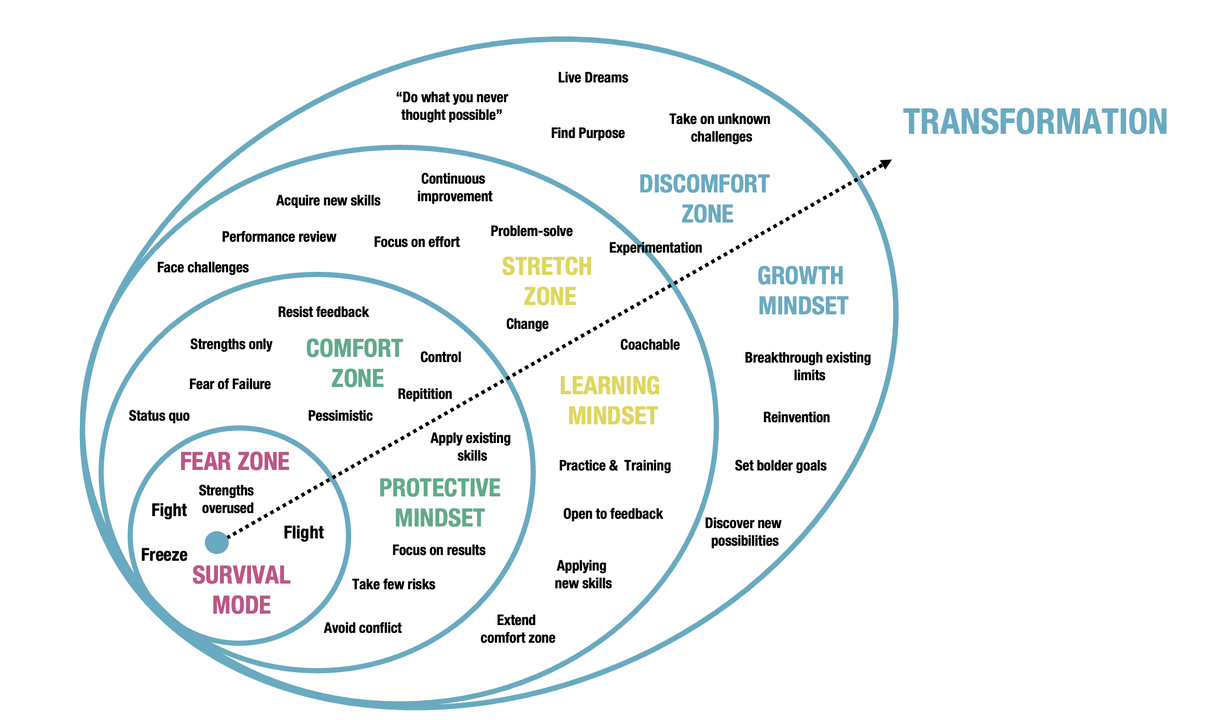
4. Strengthening Identity
Major life shifts often prompt identity questions. Who am I now? What matters most to me? What direction feels meaningful?
Therapy supports identity exploration without rushing conclusions. It helps you integrate past experiences while shaping your future.
When Feeling Stuck Turns Into Something More
Sometimes, feeling stuck may be connected to underlying mental health concerns such as depression or chronic anxiety.
Signs that additional support may be helpful include:
Persistent sadness or emptiness
Loss of interest in activities
Significant changes in sleep or appetite
Feeling hopeless about the future
Ongoing difficulty functioning at work or home
If these symptoms are present, therapy can address both the transition and the emotional challenges connected to it.
Therapy Approaches That Help with Transitions
Different therapeutic approaches can be effective depending on your needs.
Cognitive Behavioral Therapy helps identify and shift unhelpful thought patterns.
Psychodynamic therapy explores deeper emotional patterns and past influences.
Acceptance and Commitment Therapy focuses on values-based action.
Trauma-informed therapy supports those whose transitions activate past experiences.
Your therapist will tailor the approach to your goals and situation.
Practical Ways Therapy Encourages Forward Movement
Many clients expect therapy to focus only on talking. While reflection is important, therapy also encourages action in manageable steps.
This might include:
Setting small, achievable goals
Practicing difficult conversations
Exploring decision-making frameworks
Identifying patterns that keep you stuck
Creating structure during uncertain times
Movement does not require immediate clarity. Often, small steps create momentum.
The Role of Patience in Transition
One of the most overlooked aspects of life transitions is time. Growth rarely happens instantly. Therapy helps normalize the idea that uncertainty is part of change.
Rather than forcing resolution, therapy helps you tolerate the in-between space. That space often holds the most meaningful insight.
Moving Forward with Support
Feeling stuck can feel isolating, but it is often a sign that you are evolving. Transitions invite reflection, growth, and sometimes uncomfortable honesty.
Therapy offers a steady space during uncertain seasons. It helps you reconnect with your values, process what is shifting, and build confidence in your next steps.
You do not have to navigate major life changes alone. With the right support, transitions can become opportunities for clarity rather than sources of overwhelm.