High-Functioning Anxiety: When You Look Fine But Feel Overwhelmed
From the outside, everything seems to be going well.
You meet deadlines. You show up for work. You take care of your family. You answer messages, keep appointments, and manage responsibilities. Friends may describe you as driven, organized, dependable, or successful.
Yet internally, the experience can feel very different.
Your mind rarely slows down. You constantly worry about making mistakes. Relaxation feels uncomfortable. Even after accomplishing something important, you immediately move on to the next concern or task.
This is often what high-functioning anxiety looks like.
While high-functioning anxiety is not an official mental health diagnosis, it is a term many people use to describe a pattern of anxiety that remains hidden beneath outward success and competence. Because life appears to be functioning normally, many people struggle for years before recognizing how much anxiety is affecting their well-being.
Understanding the signs of high-functioning anxiety can be the first step toward finding support and creating a healthier, more balanced life.
What Is High-Functioning Anxiety?
High-functioning anxiety refers to anxiety that exists alongside a person's ability to meet daily responsibilities and maintain an appearance of success.
Unlike the stereotypical image of anxiety, which often involves visible distress or avoidance, people with high-functioning anxiety may appear calm, productive, and capable.
They often excel professionally, perform well academically, and maintain relationships. However, much of this achievement is fueled by fear, pressure, perfectionism, and chronic worry rather than confidence or peace of mind.
What others see:
Successful
Organized
Responsible
Productive
Dependable
What you may feel inside:
Constant worry
Fear of failure
Racing thoughts
Exhaustion
Self-criticism
Difficulty relaxing
Why High-Functioning Anxiety Often Goes Unnoticed
One reason high-functioning anxiety is difficult to recognize is that society often rewards behaviors associated with it.
Working long hours, striving for perfection, staying busy, and maintaining high standards are frequently praised. Because these behaviors can lead to accomplishments, people may not realize that anxiety is driving them.
Others may assume that because you are doing well externally, you must feel good internally.
As a result, many people minimize their struggles or convince themselves that they simply need to work harder, stay stronger, or push through.
Over time, however, the emotional cost can become significant.
Common Signs of High-Functioning Anxiety
Constant Overthinking
People with high-functioning anxiety often spend a tremendous amount of time analyzing situations.
You may replay conversations long after they happen, worry about future outcomes, or imagine worst-case scenarios even when things are going well.
A simple email, meeting, or social interaction can trigger hours of mental review.
Perfectionism
Perfectionism is one of the most common signs of high-functioning anxiety.
Mistakes can feel catastrophic. Even minor imperfections may trigger intense self-criticism.
Instead of celebrating accomplishments, the focus often shifts immediately to what could have been done better.
This creates a cycle where success never feels quite satisfying enough.
Difficulty Relaxing

Many people with high-functioning anxiety struggle to enjoy downtime.
When there is finally an opportunity to rest, the mind may immediately fill with worries, unfinished tasks, or guilt about not being productive.
Even vacations or weekends can feel stressful because slowing down feels unfamiliar.
Chronic Busyness
Staying busy often becomes a coping mechanism.
When there is always another task to complete, there is less time to sit with uncomfortable emotions or worries.
However, constant busyness can eventually lead to burnout, emotional exhaustion, and reduced quality of life.
Seeking Constant Reassurance
You may frequently seek reassurance from others about your performance, decisions, or relationships.
Although reassurance may provide temporary relief, the anxiety often returns quickly, leading to a cycle of ongoing self-doubt.
Trouble Sleeping
Anxiety frequently affects sleep.
Many individuals with high-functioning anxiety find that their minds become most active at night.
Common experiences include:
Difficulty falling asleep
Waking during the night
Racing thoughts
Feeling exhausted despite sleeping enough hours
Poor sleep can further intensify anxiety symptoms during the day.
Physical Symptoms
Anxiety affects both the mind and body.
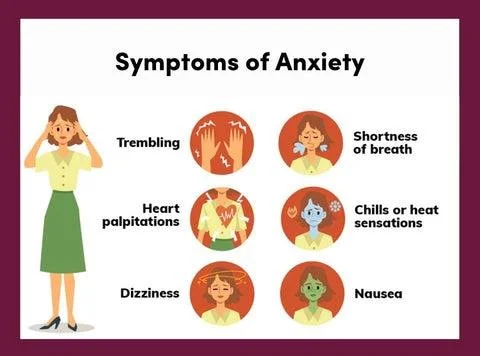
Common physical symptoms include:
Muscle tension
Headaches
Jaw clenching
Fatigue
Digestive issues
Increased heart rate
Restlessness
Because these symptoms develop gradually, people sometimes attribute them to stress, work, or aging rather than anxiety.
The Emotional Impact of High-Functioning Anxiety
Even when life appears successful from the outside, high-functioning anxiety can create significant emotional distress.
Many people report feeling:
Constantly on edge
Never fully satisfied
Emotionally exhausted
Disconnected from themselves
Afraid of failure
Unable to enjoy accomplishments
Over time, these experiences can impact self-esteem, relationships, and overall quality of life.
How High-Functioning Anxiety Affects Relationships
Anxiety does not stay confined to work or personal thoughts. It often affects relationships as well.
Someone with high-functioning anxiety may:
Overthink conversations
Fear disappointing others
Struggle to set boundaries
Take on too much responsibility
Become irritated or overwhelmed more easily
Partners, friends, and family members may not realize the internal pressure the person is carrying.
This can lead to misunderstandings and emotional distance.
Why People Delay Getting Help
Many individuals with high-functioning anxiety do not seek therapy because they believe they are managing well enough.
Common thoughts include:
"I'm functioning, so it can't be that serious."
"Other people have it worse."
"This is just my personality."
"I should be able to handle it myself."
The problem is that functioning and thriving are not the same thing.
You can be productive while still suffering internally.
You can be successful while feeling overwhelmed.
You can appear fine while carrying an exhausting amount of anxiety every day.
How Therapy Can Help
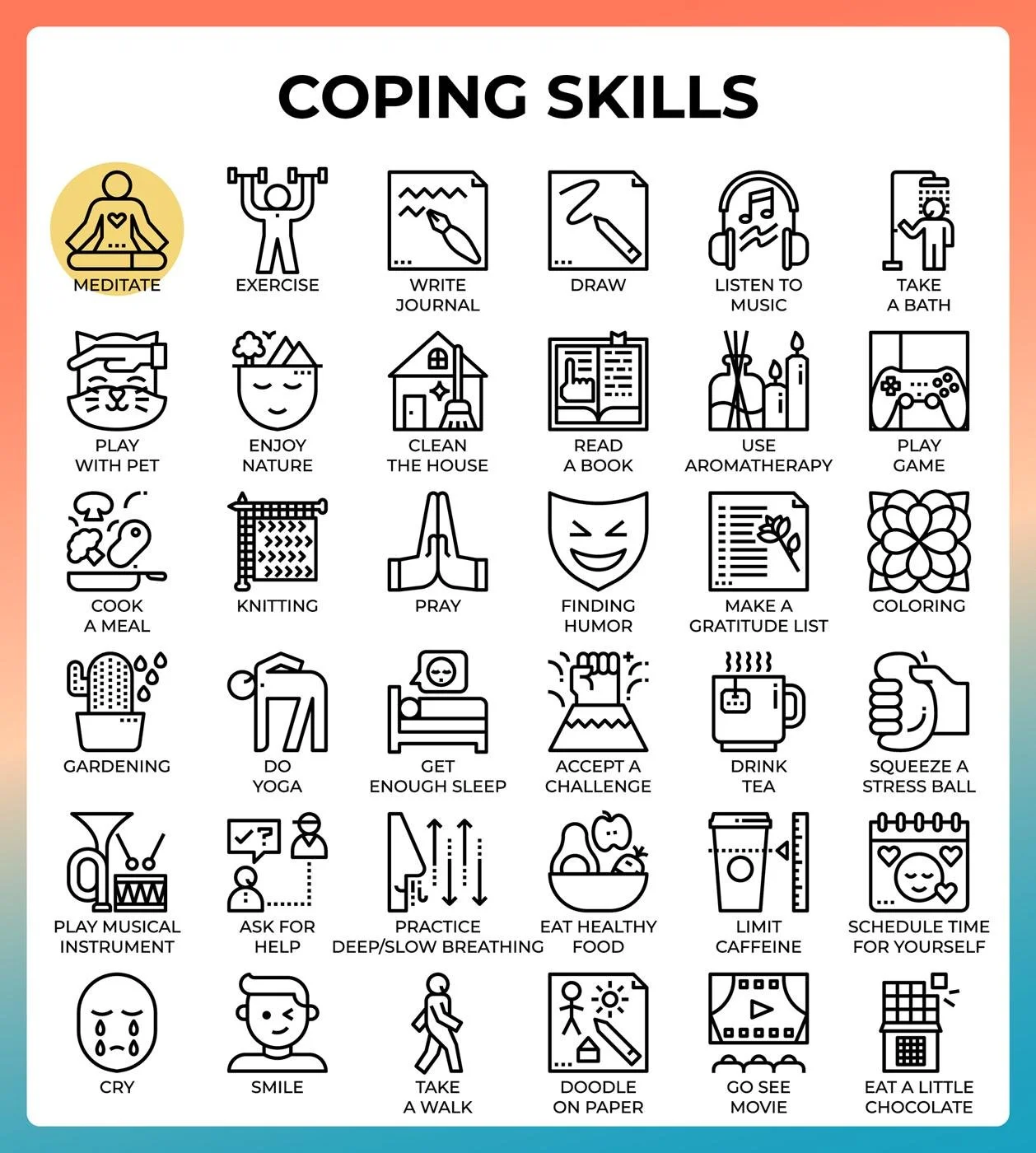
Therapy provides a space to understand what is driving the anxiety and develop healthier ways of responding to it.
Rather than simply reducing symptoms, therapy helps address the underlying patterns that keep anxiety going.
This may include:
Identifying anxious thought patterns
Learning coping strategies
Reducing perfectionism
Building self-compassion
Setting healthy boundaries
Improving emotional awareness
Developing stress management skills
Over time, many people find they can still be productive and successful without constantly operating from a place of fear or pressure.
Practical Ways to Start Managing High-Functioning Anxiety
While professional support can be extremely helpful, there are also small steps you can begin taking today.
Try asking yourself:
Am I resting, or simply taking a break to worry?
Do I believe my worth depends on achievement?
Am I holding myself to impossible standards?
When was the last time I truly felt relaxed?
Creating moments of self-awareness can help interrupt automatic patterns and build healthier habits over time.
When to Consider Therapy
You may benefit from therapy if:
Anxiety feels constant or overwhelming
You struggle to relax even during downtime
Perfectionism is affecting your well-being
Sleep problems are becoming common
Relationships are suffering
Physical symptoms are increasing
You feel exhausted despite appearing successful
Seeking support does not mean you are failing.
It means you are investing in your well-being.
Final Thoughts
High-functioning anxiety often hides behind achievement, productivity, and outward success. Because everything appears fine on the surface, many people spend years ignoring the emotional toll it takes.
The reality is that constantly feeling overwhelmed, worried, or pressured is not something you simply have to live with.
Healing does not require giving up your goals or ambitions. It means learning how to pursue them from a place of balance rather than fear.
If you recognize yourself in these experiences, therapy can help you understand the patterns driving your anxiety and develop healthier ways to move forward. Success feels very different when it is accompanied by peace, confidence, and emotional well-being.